
Most Stress Support Advice Ignores This One Thing… Your Gut
When stress or low energy hits, we’re often told to manage stress better, take supplements or push through with caffeine.
But there’s a foundational piece missing from most advice:
Your gut.
The gut and brain are deeply connected via the gut–brain axis, meaning digestion, blood sugar balance and the gut microbiome all influence mood, energy and stress resilience. If the gut isn’t supported, stress support rarely sticks.
And this is where a food-first approach matters.
Food First, Not Supplements
Before reaching for pills or capsules, the nervous system needs real food information: fibre, fats, protein and plant diversity.
Whole foods:
Feed beneficial gut bacteria
Support the gut lining
Stabilise blood sugar
Reduce inflammation
Supplements can be supportive - but they work best on top of solid nutritional foundations, not instead of them.

Feed Your Gut Bacteria
A healthy gut microbiome relies on prebiotic fibres, particularly FOS (fructo-oligosaccharides) and inulin. These fibres feed beneficial bacteria and help maintain the integrity of the gut lining.
Food sources include:
Onions
Leeks
Garlic
Asparagus
Chicory
Yacon root
Yacon root is especially rich in FOS and is a gentle, food-based way to support gut bacteria - particularly helpful for people who struggle with more aggressive fibres.

Variety Matters More Than Perfection
Gut bacteria thrive on plant diversity. Eating a wider range of vegetables and herbs increases microbial diversity, which is associated with better metabolic and stress resilience.
Add in:
Pak choi
Kale
Radishes
Beetroot
Fresh herbs
Seasonal vegetables
Large-scale research from the American Gut Project highlights how dietary variety - rather than strict rules - supports a healthier microbiome.
Instead of aiming for perfection, aim for curiosity: different colours, leaves, roots, herbs and seasonal produce.
Reduce Inflammation to Support the Nervous System
Chronic stress and inflammation often go hand in hand.
Ultra-processed foods, refined sugar and white carbohydrates can:
Disrupt the gut microbiome
Spike blood sugar
Increase cortisol output
Reducing foods such as cakes, biscuits, pastries, white pasta and white bread helps calm inflammation and creates a more stable internal environment for the gut and nervous system.
Evidence linking ultra-processed foods with inflammation and poorer health outcomes shows why reducing these foods can make a noticeable difference to energy and stress levels.
This isn’t about restriction — it’s about lowering background inflammation so the body can regulate more effectively.
Balance Blood Sugar for Steady Energy
Blood sugar dips are one of the most overlooked drivers of fatigue, anxiety and cortisol spikes.
Including healthy fats and protein at meals slows glucose absorption and supports more stable energy. Research into blood sugar regulation and metabolic health helps explain why balanced meals matter so much for mood and focus.
Food-first options include:
Avocados
Coconut oil
Cold-pressed oils on salads
Oily fish such as salmon, mackerel and sardines
Grass-fed meats and poultry
Free-range eggs
Nuts and seeds
Balanced meals = calmer energy and fewer stress crashes.

Adaptogenic Herbs & Functional Mushrooms
Certain herbs and functional mushrooms may support stress resilience when used alongside a food-first approach.
Reviews exploring adaptogens and the stress response suggest these compounds may help the body adapt to physical and psychological stressors by supporting systems involved in energy regulation, inflammation and nervous system balance.
Ashwagandha (Withania somnifera)
Clinical trials suggest ashwagandha may help reduce perceived stress and cortisol levels in some individuals, particularly when used consistently and alongside lifestyle support.Lion’s Mane mushroom (Hericium erinaceus)
Lion’s Mane has been studied for its potential role in supporting cognitive function and nervous system health. Evidence investigating Lion’s Mane and cognitive and nervous system support suggests it may influence nerve growth factors involved in brain and nerve cell function.Reishi mushroom (Ganoderma lucidum)
Reishi has a long history of traditional use for supporting relaxation, recovery and overall wellbeing. Some small human and animal studies suggest it may help reduce fatigue and support sleep quality.Cordyceps (Cordyceps sinensis)
Cordyceps has traditionally been used as a tonic for energy and stamina. Small clinical and animal studies suggest potential benefits for fatigue perception and exercise capacity.Siberian ginseng (Eleutherococcus senticosus)
Ginseng has a long history of traditional use as an adaptogen to support resilience to stress and fatigue.Valerian root (Valeriana officinalis)
Valerian is a traditional herbal sleep aid, and some clinical research suggests it may support sleep quality in certain individuals. For example, a randomised, double-blind, placebo-controlled crossover trial involving 39 participants found that valerian supplementation was associated with improvements in subjective sleep quality, as well as reductions in self-reported state anxiety and depressive symptoms.

Eat in Rhythm With Your Gut
Constant snacking keeps digestion switched on and prevents the migrating motor complex (MMC) from doing its cleaning work between meals.
Where possible:
Eat three proper meals a day
Avoid grazing
Eat more earlier in the day
Avoid eating in the last 2 hours before bed
This supports gut health, blood sugar balance and circadian rhythm - all key for stress resilience and sleep quality.
Where the Gut–Mind Superfood Blends Fit In
A food-first approach doesn’t mean doing everything from scratch. It means using real, whole-food ingredients in ways that are practical and repeatable.
That’s where my Gut–Mind Superfood Blends fit in.
They’re not supplements. Each blend is designed as a whole-food support for different points in the day, aligned with gut health, blood sugar balance and the nervous system.
Rather than quick fixes, they’re intended to sit alongside meals and daily habits.
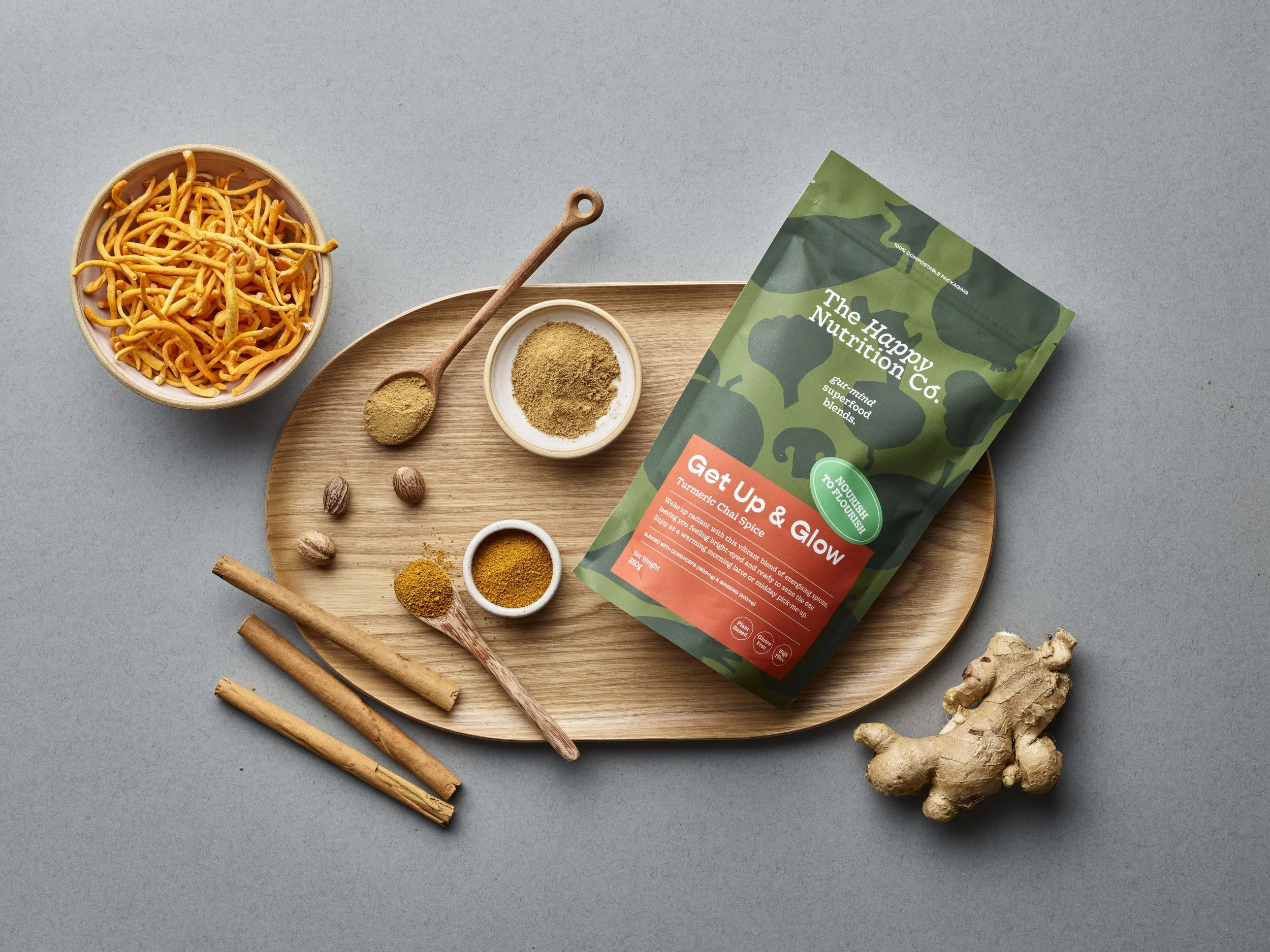
Morning – Get Up & Glow
Designed to support steady morning energy and focus, without relying on caffeine spikes.
It fits into a food-first morning routine that prioritises blood sugar balance, gut support and calm energy rather than stress-driven “boosts”.
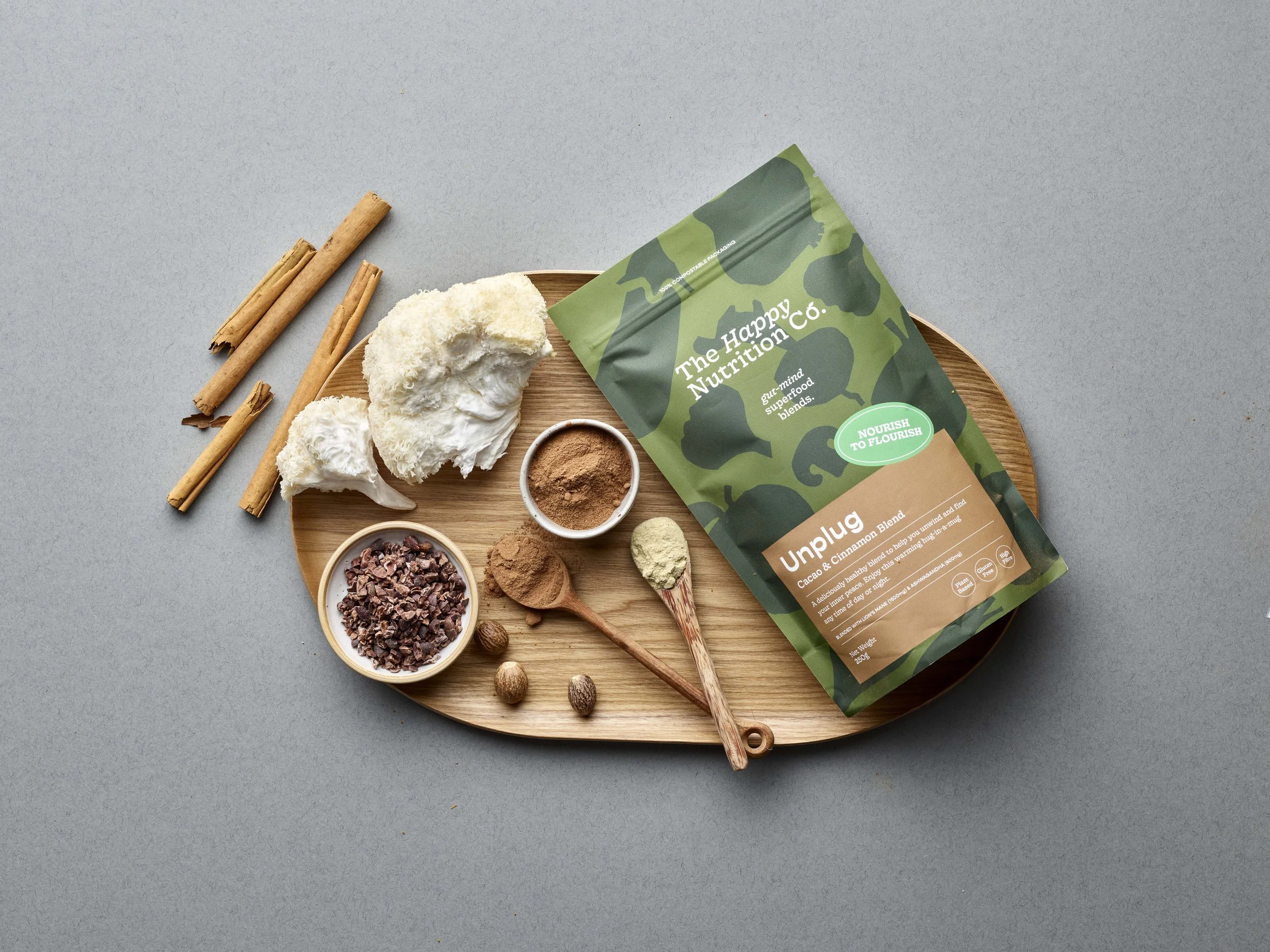
Daytime – Unplug
Created for moments when stress, overwhelm or mental fatigue creep in during the day.
This blend supports a pause in the nervous system, helping shift out of constant “doing” mode and back into steadier focus and emotional balance.
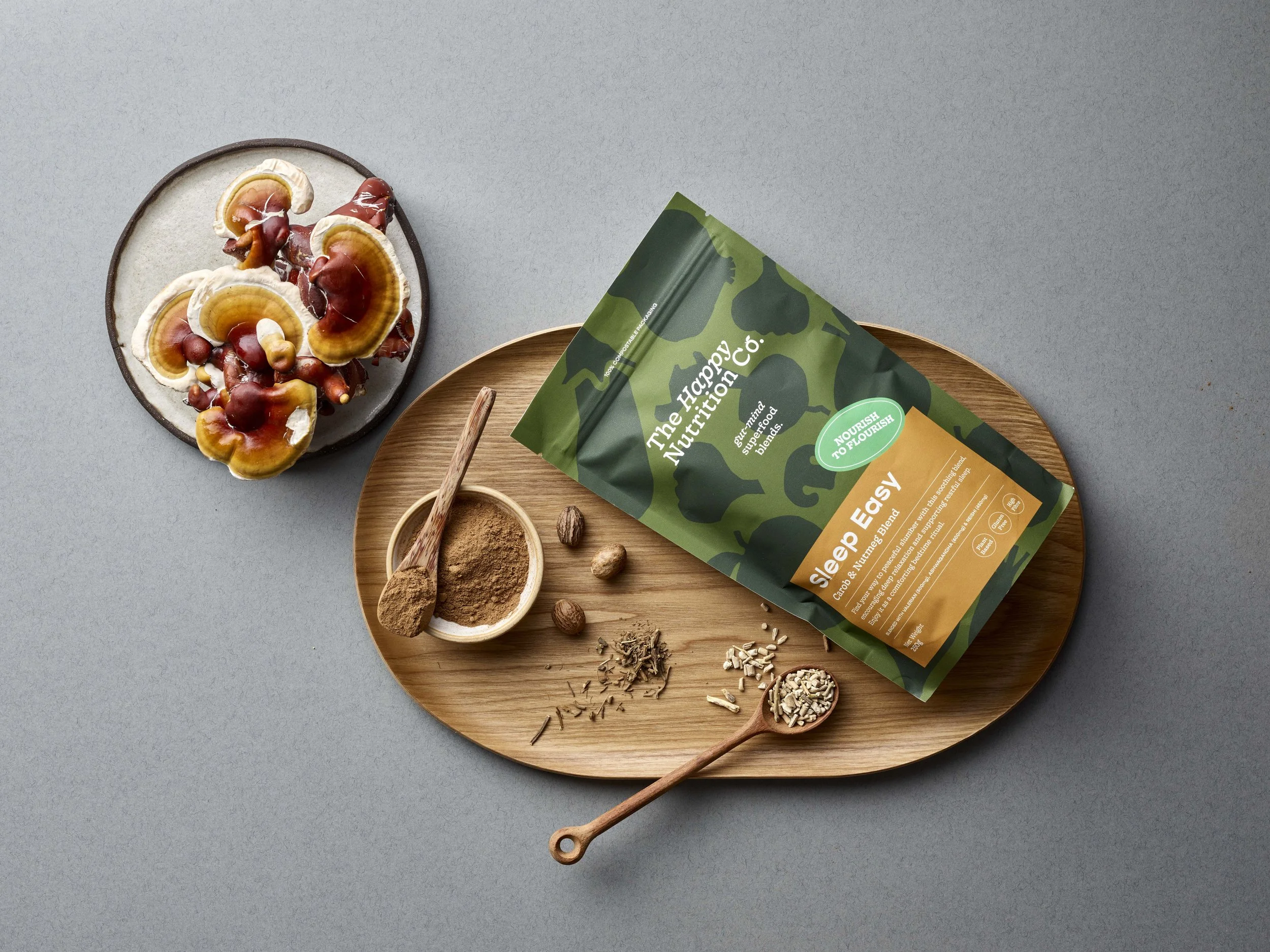
Evening – Sleep Easy
Designed to support relaxation and wind-down as part of an evening routine that respects circadian rhythm.
It complements habits like earlier meals, reduced stimulation and nervous system calming - rather than acting as a sedative or knock-out solution.
Together, the blends reflect the same principles discussed throughout this article:
food first
gut support
blood sugar balance
rhythm and consistency
They’re tools - not treatments - and work best when combined with real meals, plant diversity and supportive daily habits.
Final Thoughts
Stress doesn’t start in the mind alone - it starts in the gut.
Supporting your gut with real food, variety, rhythm and balance creates the foundation for calmer energy, better focus and more resilient mental health.
Whether through meals, daily habits or food-based blends used morning, noon and night, the goal is the same:
steady support, not quick fixes.
Food first. Always.
